THE SEEDS ARE SHIPPED IN TRANSPARENT SACHETS, WITH A CARD INSIDE INDICATING THE VARIETY OF THE SEED
+++++++++++++++++++++++++++++++++++++++++++++++++++++ ++++++++++++++++++++++++++++++++++++++++
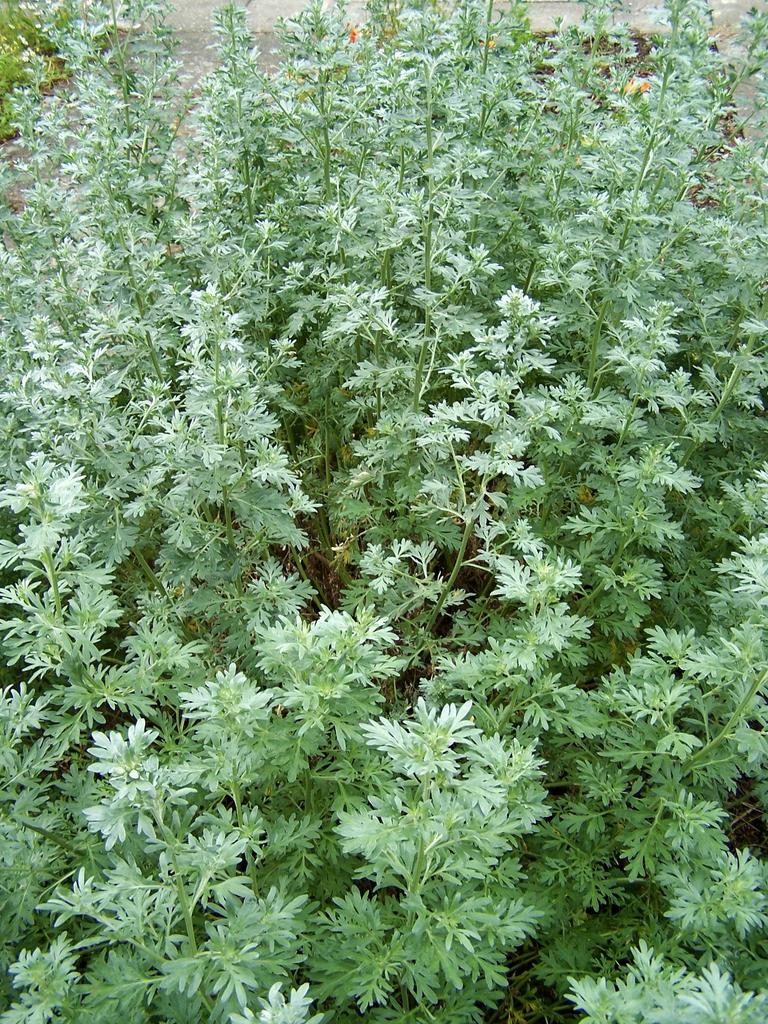
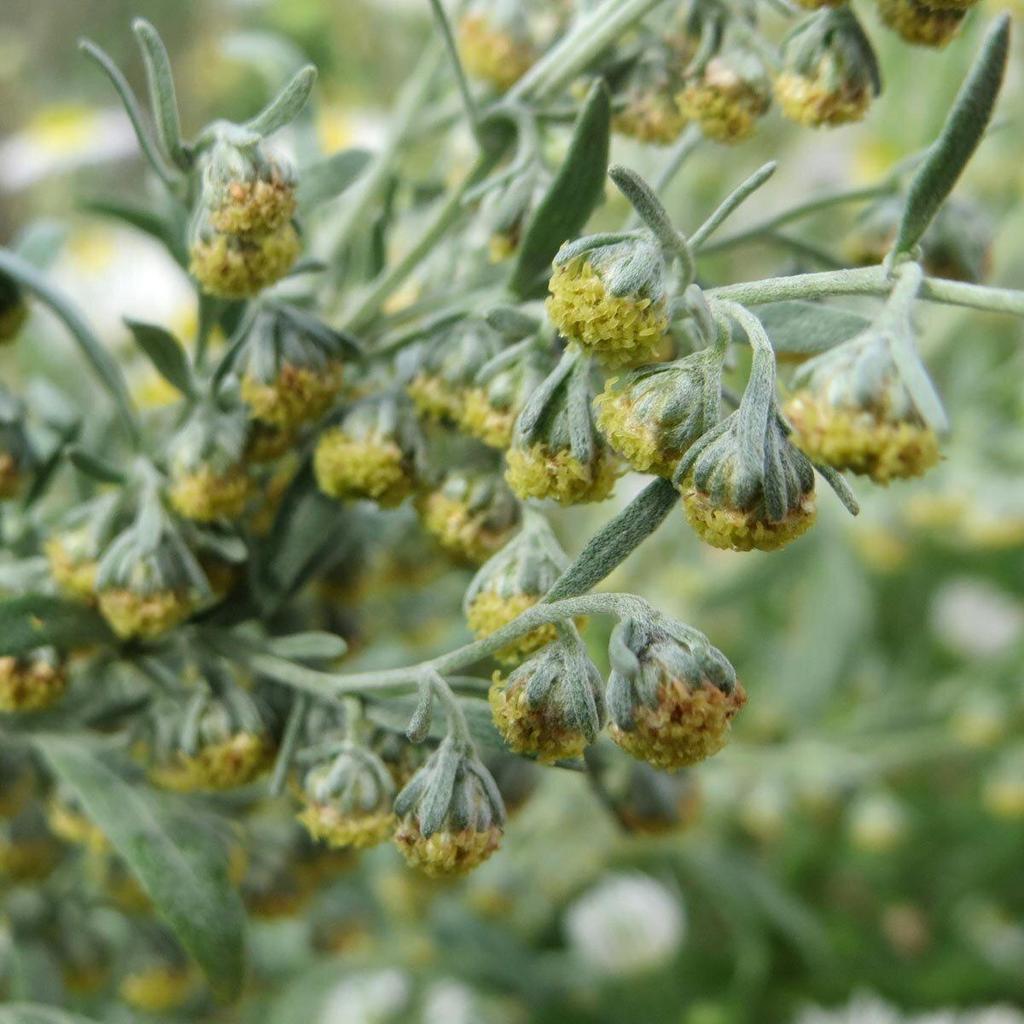
Artemisia ABSINTHIUM - Absinthe / WORMWOOD, 200 SEEDS - FRESH SEEDS
.....................................................................................
The term aromatic plant indicates plants containing substances with a pleasant smell, aromas, rich in essential oils, whose biological function is thought to be: for defense against phytophagous insects, for which they are repellent; of plant metabolism stimulants; in flowers that attract pollinating insects; of allelopathic agents for defense and competition with other species, and defense against herbivores. The theory that essential oils are simply inert waste substances from catabolism now has little weight, for obvious evolutionary reasons, given that they are not inert and their specific creation and compartmentalization involves an expenditure of energy that would be poorly adaptive.. They are often confused with spices, but these are used dry.
In plants, the production of aromatic substances can be distributed throughout the plant or localized in specific organs, such as:
Seeds: fennel, caper, juniper, dill, green anise, cumin, bay leaves, etc...
Bulbs or roots: onion, garlic, shallot, aromatic calamus, etc...
Leaves: borage, lemon balm, chives, tarragon, balsam, rosemary, sage, thyme, savory, rocket, etc...
Wood: sandalwood, cinnamon, etc...
Flowers: oregano, marjoram, marigold, lavender, hyssop, etc...
There may also be vegetative phases in which the presence of aromatic substances reaches maximum production. (for example immediately before maximum flowering).
Aromatic plants can be tree species (for example Citrus, eucalyptus), shrubby (for example rosemary, juniper) or more frequently annual, biennial, perennial herbaceous plants. The production of aromatic substances can occur by collecting spontaneous species, but they are normally cultivated as horticultural species, to guarantee the quantities and quality required by the market.
Many aromatic plants also have medicinal and officinal properties (such as mint), but they are generally used:
In the kitchen as a spice to flavour foods, or to prolong the shelf life of some dishes
In herbalist's shops, fresh or more frequently dried for the preparation of infusions or thirst-quenching drinks
Industrially for the preparation of liqueurs or bitters
In perfumery for the artisanal preparation of perfumes, ointments and creams
In the chemical industries for the extraction of essences intended for the food, cosmetic and pharmaceutical industries (increasingly replaced by synthetic aromas, which are less expensive and have constant characteristics)
In some religions, the aromas developed by gum resins and balms are an integral or accessory part of the liturgy.
--------------------------------------------------------------------------------------------------------------------------------------------------
THE SEEDS ARE SHIPPED IN TRANSPARENT SACHETS, WITH A CARD INSIDE INDICATING THE VARIETY OF THE SEED


 No-delivery refund